
Atwood RV Furnace Catalog

Power your adventures with Atwood RV Furnaces, offering high-efficiency propane heating from 12,000 to 40,000 BTU/hr to suit any vehicle size. Engineered for versatility and reliability, these 12V DC units range from the compact 79/80 series for campers to the powerful two-stage Excalibur for large motorhomes. Every Atwood model balances low amp draw with flexible installation options to ensure your living space stays warm in any climate.

Top Atwood RV Furnace

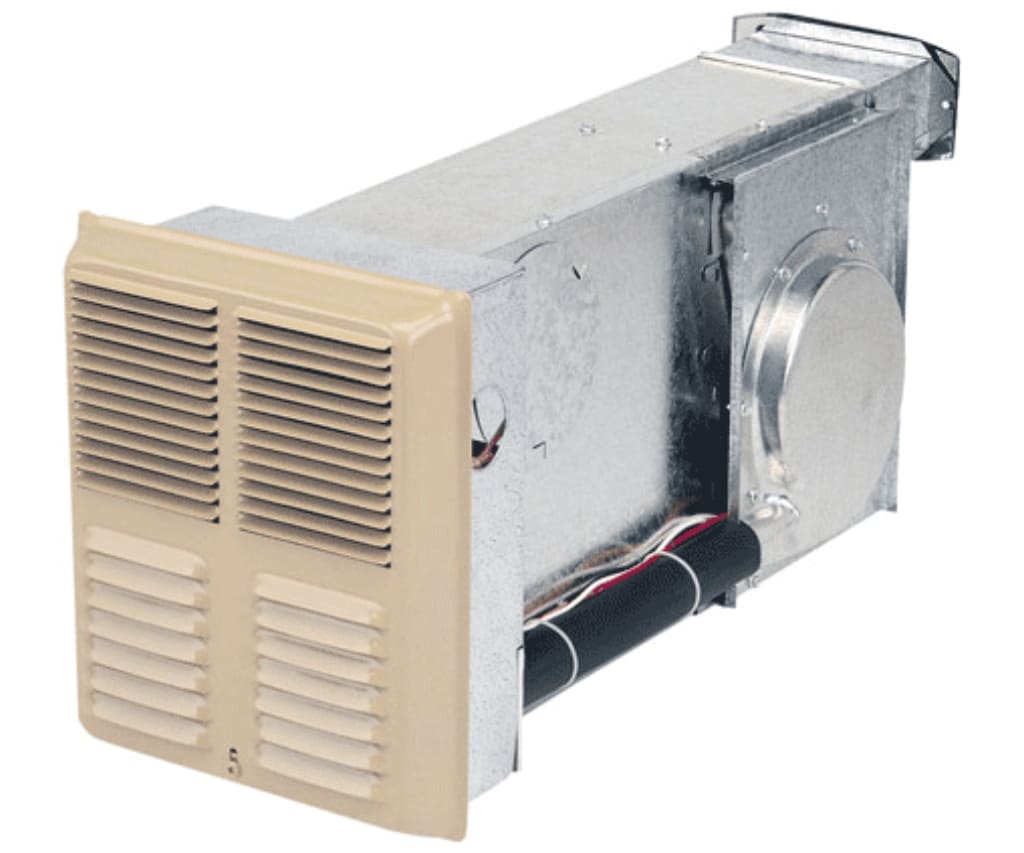
Atwood 8012-II Everest Star

This compact 12,000 BTU unit features a low-profile design and an incredibly efficient 1.8-amp draw, making it the industry standard for small travel trailers and truck campers.

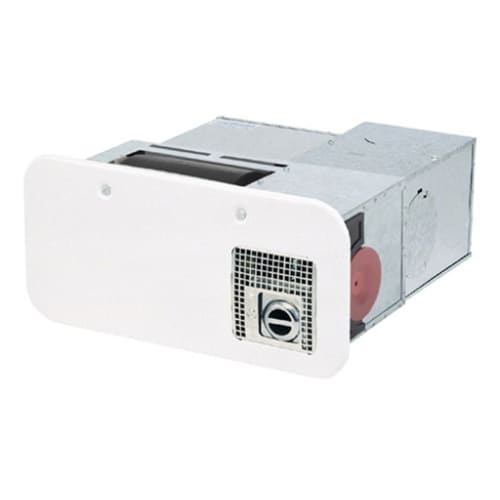
Atwood 8531-IV Excalibur

As a flagship medium-sized model, this 30,000 BTU furnace utilizes a redesigned blower assembly to increase airflow while significantly reducing operational noise.

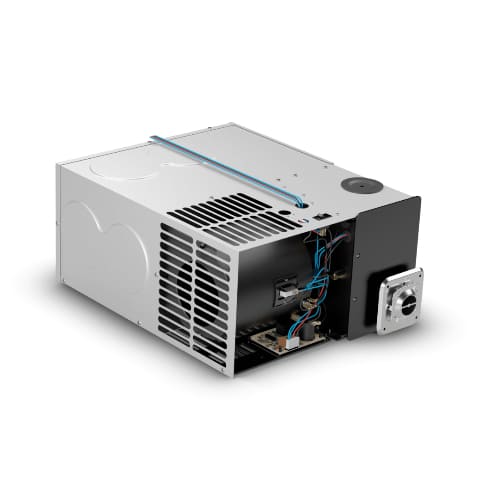
Atwood 8940-III Excalibur

The most powerful in the lineup, this 40,000 BTU powerhouse provides maximum heat distribution for luxury motorhomes through a versatile tubular heat exchanger that supports both vertical and horizontal installation.

Experience the ultimate in mobile climate control with high-performance heating solutions engineered for every journey.
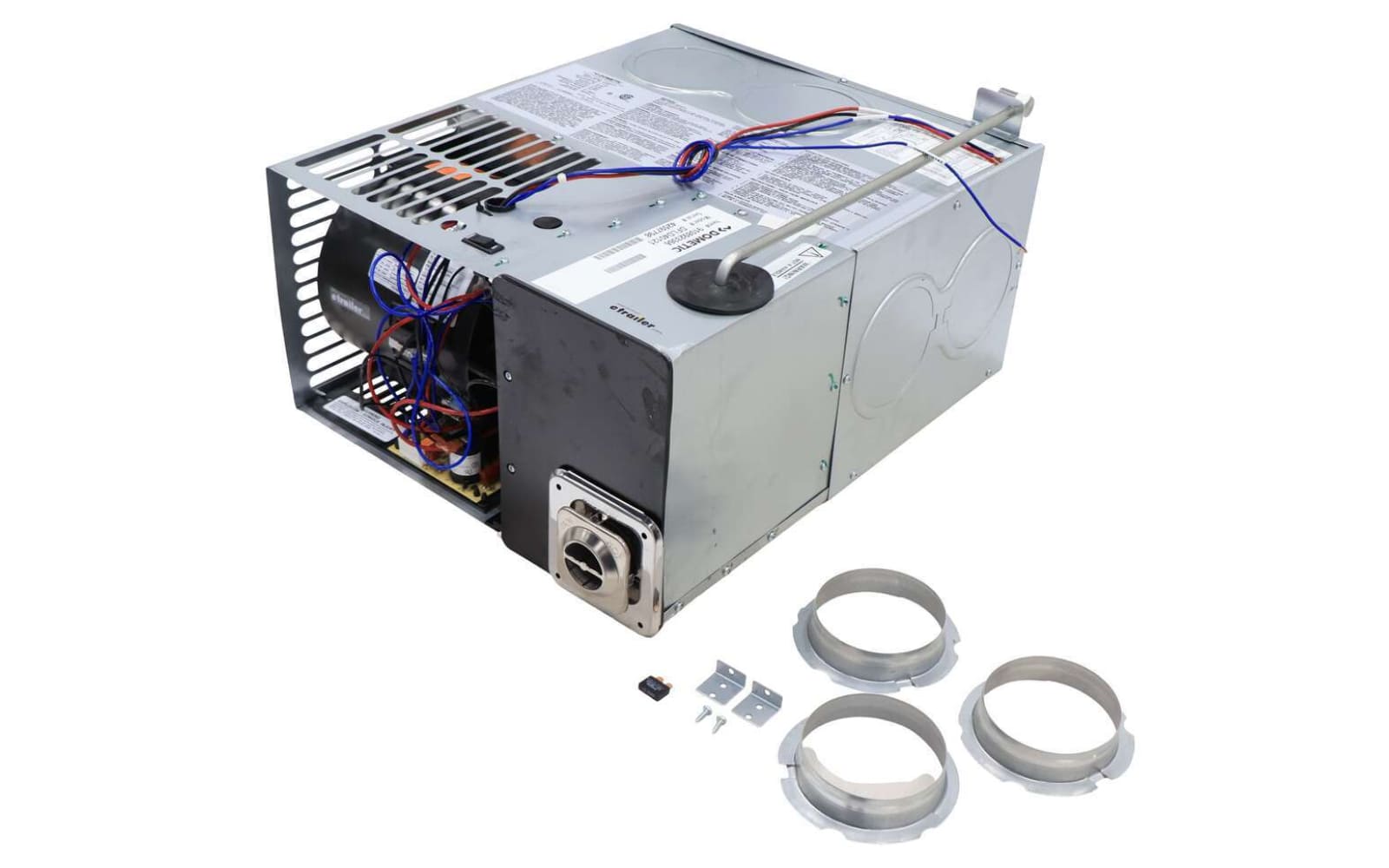
RV Heating Solutions by Atwood

Compact Furnaces

Perfect for truck campers and small travel trailers, these units provide efficient heating up to 12,000 BTU without sacrificing precious interior space.

Medium-Range Furnaces

Designed for the heart of the RV market, these 20,000 to 30,000 BTU models offer a balance of powerful airflow and quiet operation for mid-sized fifth wheels.

High-Capacity Furnaces

When the temperature drops, these 35,000 to 40,000 BTU powerhouses utilize tubular heat exchangers to provide maximum warmth for large motorhomes and luxury coaches.


Customer Experiences

Robert Miller After camping in the Rockies during a late-season cold snap, I can’t praise the 85-series medium furnace enough. The electronic ignition worked flawlessly every single night, and despite the sub-freezing temperatures outside, the tubular heat exchanger pushed consistent, warm air through the vents of our 28-foot trailer. It is significantly quieter than our old unit, which meant we actually got some sleep without a jet engine roar every time the thermostat kicked in.

Sarah Jenkins We upgraded our vintage motorhome with an Atwood 89-series high-capacity unit, and the difference is night and day. The installation was straightforward because of its horizontal design flexibility, and it handles the large interior of our 38-footer with ease. I was particularly impressed by the low amp draw; we do a lot of boondocking, and this furnace allows us to stay warm through the night without completely draining our battery bank.

David Thompson I’ve been using the compact 79-series in my truck camper for three seasons now, and it has never let me down. Even in damp, coastal conditions, the LP gas ignition is reliable, and the unit provides more than enough heat for the smaller space. The build quality is exceptional, and it’s clear that these are built specifically for the vibrations and rigors of life on the road.

Atwood FAQ

Why is my furnace blowing cold air instead of heat?

It is normal for an Atwood furnace to blow cold air for about 45 to 90 seconds at the start of a cycle to purge the combustion chamber and again at the end to cool down the heat exchanger. However, if it continues to blow cold air without igniting, the issue is often a “sail switch” that isn’t closing due to low airflow or debris, or a lockout caused by three failed ignition attempts.

How do I reset my Atwood furnace after a lockout?

If the furnace fails to ignite three times, it enters a safety lockout mode to prevent the buildup of unburned gas. You can reset the system by turning the thermostat to the “Off” position, waiting at least 15 seconds to clear the circuit board’s memory, and then turning it back to the “Heat” or “On” position.

What are the power requirements for an Atwood RV furnace?

Most Atwood furnaces are designed to operate on a 12V DC system, typically requiring a voltage between 10.5V and 13.5V to function correctly. If your coach battery is low or your converter is not providing steady power, the blower fan may not spin fast enough to engage the sail switch, preventing the furnace from firing.

How can I tell which model of Atwood furnace I have?

You can find the model and serial number on a white specification sticker usually located on the blower housing. For series like the 8500 or 8900, this is often accessible by opening the exterior access door; for the compact 7900 series, you may need to remove the interior front louvered panel to view the sticker.

Why is my furnace making a loud squeaking or rattling noise?

Unusual noises are typically caused by a worn blower motor or a damaged blower wheel. In newer models with plastic “squirrel cage” fans, the fan can become slightly unbalanced or warped over time, causing it to rub against the internal housing and produce a high-pitched chirping or ticking sound.

Does my RV furnace require annual maintenance?

Yes, it is highly recommended to perform an annual inspection, which includes cleaning the burner of any soot, checking the exhaust vent for obstructions like mud dauber nests, and vacuuming the return air area. Keeping the intake and exhaust clear ensures proper airflow and prevents the high-temperature limit switch from tripping and shutting down the unit prematurely.

Hydroflame and Atwood RV Furnaces Owners Watch This Video!